Who Is Legally Allowed to Prescribe Suboxone in California Today?

As of 2026, regulations for prescribing suboxone have been significantly streamlined in California. There is no separate “Suboxone license” or waiver. The key requirement is a valid DEA registration with Schedule III authority and the federally mandated training. Here are the main types of clinicians who can prescribe buprenorphine:
Physicians (MD, DO) – Any licensed doctor can prescribe suboxone after meeting requirements, including board certified addiction medicine and addiction psychiatry specialists.
Nurse practitioners (NP) – With furnishing authority and their own DEA registration, NPs can prescribe buprenorphine within their scope.
Physician assistants (PA) – With a supervising/collaborating physician and their own DEA registration, PAs can also prescribe.
Suboxone is classified as a Schedule III controlled substance, meaning only DEA-registered providers can prescribe it. All prescribers must also:
Hold an active, unrestricted California professional license
Hold an active DEA registration that includes Schedule III authority
Comply with California’s controlled-substance prescribing rules, including checking the CURES prescription monitoring database before issuing a prescription
Hospital-based clinicians, such as emergency physicians, can initiate suboxone during an ER visit and then hand off to an outpatient prescriber. You don’t need to verify all the regulations yourself-just confirm that your provider is licensed in California and experienced in opioid use disorder treatment. At Shanti Recovery & Wellness, we work only with California-licensed, DEA-registered clinicians to prescribe and manage suboxone as part of virtual care.
How Federal Rules Changed: From the X‑Waiver to the 8‑Hour Training
Federal law on buprenorphine prescribing has evolved dramatically. The Drug Addiction Treatment Act was passed in 2000, creating the original “X-waiver” system. Under that framework, clinicians needed a special waiver on their DEA registration to prescribe buprenorphine for opioid addiction treatment. The x waiver came with patient caps-initially 30, then 100, then 275 patients-and mandatory extra training. Only 7% of providers could treat 275 patients under the X-waiver. These limits especially hurt treatment access in rural areas of California and communities with few addiction medicine providers across the country.
In 2023, the federal Medication Access and Training Expansion (MATE) Act, part of the Consolidated Appropriations Act, ended the separate x waiver requirement. The X-waiver requirement for prescribing suboxone was eliminated in 2023, and patient limits for the number of patients treated with buprenorphine have been lifted. The X-waiver repeal increases access to suboxone prescriptions for people who need them.
Since June 27, 2023, new and renewing DEA registrants must show at least eight hours of education in addiction treatment, opioid use disorder, or safe opioid prescribing-the MATE Act training requirement. This training, overseen by the Substance Abuse and Mental Health Services Administration, can come from medical school curricula, addiction medicine CMEs, or other approved courses. Providers must now complete one of three steps to prescribe suboxone: approved coursework, board certification in addiction medicine, or graduation from a qualifying program.
Many websites and even some clinicians still reference the x waiver, so patients may encounter outdated information. In 2026, the right question to ask a provider is whether they are comfortable prescribing buprenorphine-not whether they “have an X-number.”
Which Types of Providers Commonly Prescribe Suboxone in California?

Not all eligible clinicians choose to prescribe suboxone. Patients often seek out suboxone doctors and providers who actively advertise opioid addiction treatment and medication assisted treatment services.
Addiction medicine specialists – Board certified addiction medicine or addiction psychiatry physicians who typically work in addiction treatment programs, virtual IOPs, and specialty clinics. They often manage more complex cases involving long opioid histories, multiple relapses, or co-occurring mental health conditions. Addiction specialists are often preferred for prescribing suboxone.
Primary care providers – Family medicine and internal medicine doctors in community clinics, FQHCs, or private practices. General practitioners can prescribe suboxone if registered with the DEA. They increasingly manage opioid use disorder as a chronic disease, similar to diabetes.
Nurse practitioners and physician assistants – In California, NPs and PAs with appropriate arrangements and DEA registration can prescribe buprenorphine. Many community-based and telehealth addiction treatment programs rely on NPs and PAs for ongoing suboxone management.
Psychiatrists – Can prescribe suboxone when treating patients with co-occurring mental health and substance use disorders, though some mental health clinics refer out to dedicated addiction medicine prescribers instead.
Shanti Recovery & Wellness’ virtual IOP team includes clinicians trained in addiction medicine who can prescribe suboxone and coordinate therapy, relapse-prevention groups, and holistic supports-all online for adults across California.
Why Some Doctors Still Don’t Prescribe Suboxone (Even Though They Can)
Legal permission and real-world practice are different. Many California clinicians who could legally prescribe buprenorphine still choose not to. Common reasons include:
Stigma: Viewing medication assisted treatment as “replacing one drug with another,” despite decades of evidence that suboxone lowers overdose and relapse risk
Lack of training or comfort: Clinicians who did not receive robust education in addiction medicine may feel unable or unprepared
Workflow concerns: Fear of more complex visits, coordination tasks, or regulatory scrutiny around controlled substances
Misunderstanding of current law: Some providers still believe the x waiver exists or that buprenorphine treatment is only for “specialists”
These barriers are about provider comfort, not about your worthiness for treatment. If one clinic says no, look for providers and virtual programs that explicitly offer medication assisted treatment for opioid use disorder. Shanti Recovery & Wellness was built specifically for substance abuse and dual diagnosis, so our team expects and welcomes conversations about suboxone, relapse, cravings, and recovery goals.
What You Need as a Patient to Get a Suboxone Prescription in California
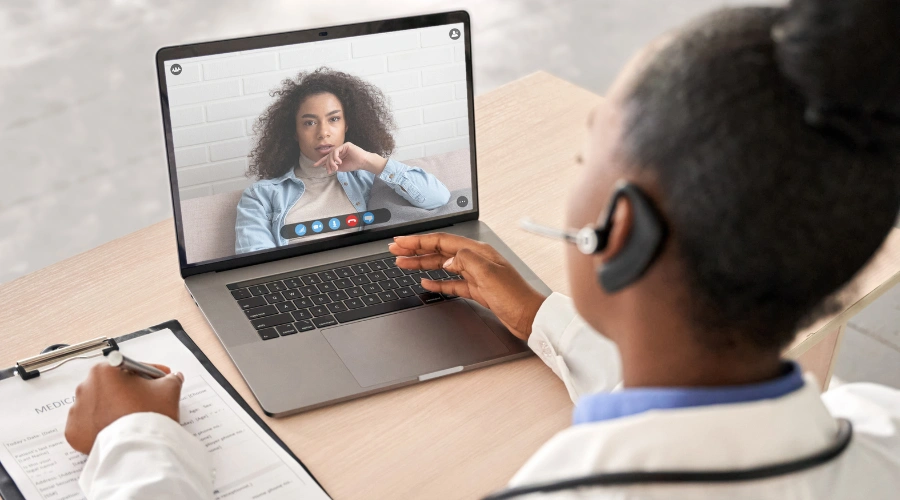
Suboxone is prescribed for opioid use disorder treatment in adults. You may be a good candidate if you have a diagnosis (or likely diagnosis) of opioid use disorder related to prescription painkillers, heroin, or fentanyl and are willing to engage in a treatment plan. Here’s what the process typically looks like:
Medical intake – Comprehensive medical, substance use, and mental health history
Medication review – Current medications, allergies, pregnancy status when relevant
Withdrawal assessment – Planning a safe induction to avoid precipitated withdrawal symptoms
Practical requirements – Valid ID, insurance information (Medi-Cal or commercial), and a pharmacy in California able to stock buprenorphine/naloxone
In most cases with telehealth models, the first appointment includes evaluation and treatment planning, with suboxone prescriptions often sent same-day to a local pharmacy. Follow-up visits are scheduled regularly to monitor cravings, side effects, pain relief needs, and overall addiction recovery. At Shanti Recovery & Wellness, suboxone prescribing is embedded within a virtual intensive outpatient program, so medication management is paired with therapy groups, individual sessions, and holistic practices.
Can Online Doctors in California Prescribe Suboxone, and How Does It Work?
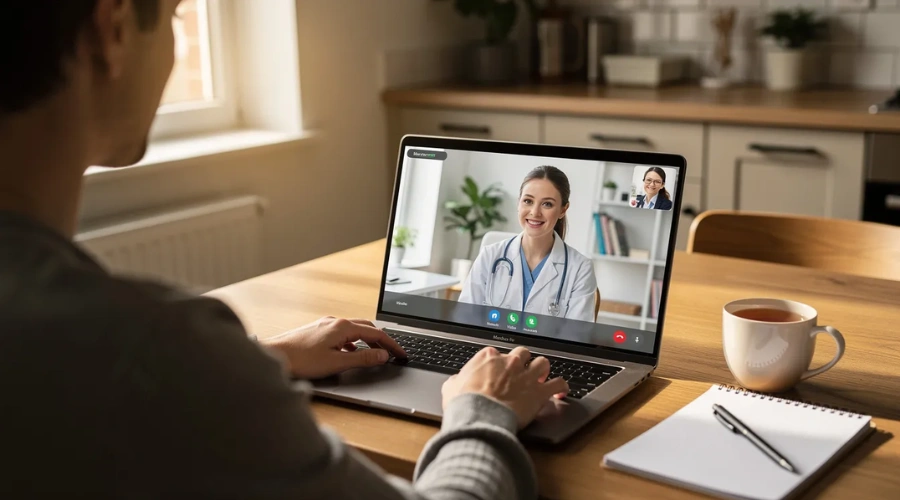
Under current federal and California law, DEA-registered clinicians licensed in California can use telehealth to prescribe buprenorphine for opioid use disorder. Suboxone can now be prescribed via telehealth, including audio-only visits. Telehealth allows same-day suboxone prescriptions in 40+ states, and providers can prescribe up to a six-month supply via telehealth when no prior in-person exam has occurred. Telemedicine connects patients with licensed suboxone prescribers easily, regardless of where they live in the state.
Here’s how online suboxone treatment generally works:
Patient completes an online intake or brief screening
Meets with a licensed prescriber via secure video or audio for full assessment
If appropriate, receives an electronic suboxone prescription sent to a nearby pharmacy
Continues with regular virtual follow-ups for dose adjustments, counseling, and monitoring
Many programs accept Medi-Cal and commercial insurance (including carriers like Aetna and Cigna) for online addiction treatment, reducing cost barriers. California has expanded Medi-Cal coverage for telehealth addiction treatment. Some clinics may require urine drug screens or lab work arranged at local labs. Advantages of this approach include removing geographic barriers for rural areas, reducing transportation challenges for people working or caregiving, and offering more privacy than traditional opioid treatment clinics.
Shanti Recovery & Wellness is a California-based virtual IOP that can prescribe suboxone as part of a broader addiction treatment and mental health program. We combine medication management with evidence-based therapies (CBT, DBT, motivational interviewing), relapse-prevention planning, and holistic supports like meditation, yoga, and breathwork-all delivered online.
When choosing any telehealth provider, verify they are licensed in California, have a physical practice address in the state, and use secure, HIPAA-compliant technology.
Why Suboxone Works Best as Part of Comprehensive Addiction Treatment
Suboxone is highly effective for opioid use disorder, but outcomes are strongest when medication is combined with counseling, mental health care, and practical recovery supports. As a medication assisted treatment tool, suboxone:
Reduces withdrawal symptoms and cravings
Decreases risk of overdose and return to illicit opioid use
Provides pain relief from the physical discomfort of early recovery
Acts as a foundation that helps stabilize the brain so people can focus on therapy and life changes
Unlike methadone, which requires daily clinic visits in a person, suboxone can be prescribed and managed remotely, which is why it fits so well within virtual treatment models.
The broader treatment plan should include:
Individual and group therapy using evidence-based models
Relapse-prevention skills: managing triggers, building sober support, crisis planning
Dual-diagnosis care for co-occurring conditions like depression, anxiety, or PTSD
Holistic practices like mindfulness, yoga, breathwork, and stress-reduction to support the nervous system
Nutrition, sleep, and movement routines to support physical healing
Shanti Recovery & Wellness: For Suboxone and Virtual IOP Support

Shanti’s virtual IOP is designed for people who need more than a 15-minute prescription visit but don’t require inpatient rehab. We treat opioid use disorder, alcohol use disorder, and co-occurring mental health conditions through a structured online program. Shanti accepts Medi-Cal and other insurances, making intensive online addiction treatment and suboxone management more accessible across California. You can learn more about our services or insurance options including Medicaid.
Opioid addiction is treatable. Combining suboxone with a structured program dramatically improves the odds of long-term addiction recovery.
Frequently Asked Questions About Suboxone Prescribing in California
Laws and telehealth rules can change, so always confirm details with a provider when you seek care.
Do I need to see a specialist in addiction medicine, or can my regular doctor prescribe Suboxone?
Many primary care doctors in California can legally prescribe suboxone if they hold a DEA registration and meet the training requirement, but not all choose to offer this service. Start by asking your existing PCP how comfortable they feel managing opioid use disorder with medication assisted treatment. If they don’t prescribe buprenorphine, request a referral or contact a virtual program like Shanti Recovery & Wellness directly. For moderate to severe addiction, or when mental health issues are present, working with a dedicated addiction treatment program is often preferable to isolated prescription management.
Can I get Suboxone in California if I’m on Medi‑Cal?
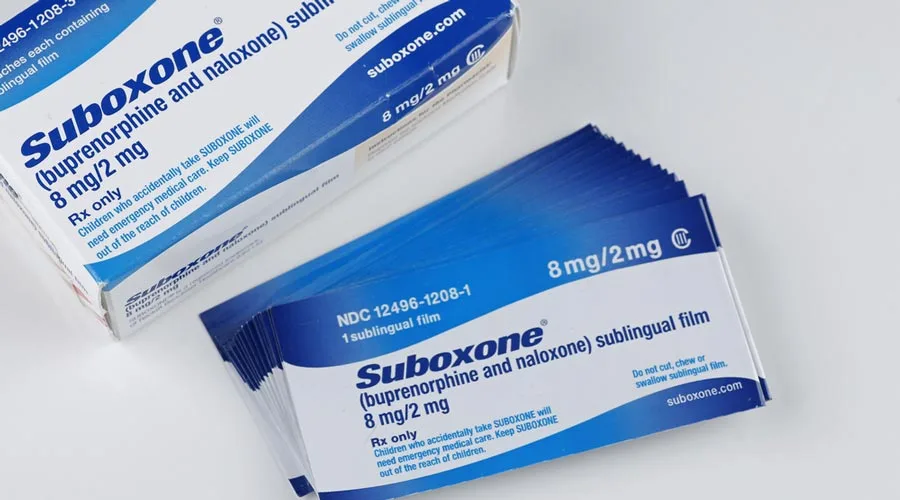
Medi-Cal covers buprenorphine treatment for opioid use disorder, often with low or no copays. Most Medi-Cal managed care plans cover MOUD without prior authorization. Other providers in the state, such as Bicycle Health, accept Medi-Cal and many major commercial insurance plans; Recovery Delivered accepts Medi-Cal and most major California insurance plans as well. Medicaid and Medicare coverage varies by plan. Insurance verification can be handled by enrollment teams at providers like Shanti, so you can understand any out-of-pocket costs before starting care. Call the member service number on your Medi-Cal card to confirm coverage.
Is there a limit on how long I can stay on Suboxone in California?
Neither California nor federal law sets a fixed time limit for suboxone treatment. Duration is a clinical decision. Research supports long-term or even indefinite maintenance with buprenorphine for many patients, since stopping too soon can increase relapse and overdose risk. Some patients remain on a stable dose for years; others eventually taper slowly under medical supervision. Discuss timing openly with your prescriber.
Can I start Suboxone if I’m using fentanyl or street opioids right now?
Many Californians seeking help are currently using fentanyl. Suboxone can still be used safely, but induction must be carefully timed to reduce the risk of precipitated withdrawal. Patients usually need to wait until they’re in at least moderate withdrawal before the first dose. Some clinicians use “micro-induction” or low-dose overlap strategies specifically for fentanyl users. Starting suboxone should be planned with a knowledgeable provider-ideally in a setting like Shanti’s virtual program for fentanyl addiction where clients receive clear instructions and frequent check-ins during the first days. You don’t need to have everything figured out to increase access to treatment-just reach out for support.