Alcohol Rehab in Mendocino County, CA – Virtual IOP Treatment Available
Alcohol Rehab in Mendocino County, CA – Virtual IOP Treatment Available
Telehealth addiction counseling is available to Mendocino County residents through Shanti Recovery & Wellness, a fully virtual intensive outpatient treatment program licensed in California.
If you or a loved one is dealing with alcohol use disorder, co-occurring mental health conditions, or substance use disorders in one of the state’s most geographically isolated counties, structured clinical treatment is accessible from your home – no long drives to Ukiah or out of county required.
Our virtual IOP covers alcohol treatment, dual diagnosis, anxiety, depression, and trauma for eligible adults across California.
Contact our admissions team for a free, confidential assessment to find out if virtual IOP is the right level of care for you.
Is Telehealth Addiction Counseling Available in Mendocino County?
Yes. Shanti Recovery & Wellness is a DHCS-certified virtual intensive outpatient program (DHCS license #191614AP, valid through 04/30/2028) that provide services to eligible California residents, including those living anywhere in Mendocino County. Both the client and clinician must be located in California during sessions.
Our treatment program addresses alcohol use disorder, substance use disorders, dual diagnosis (co-occurring mental health and substance abuse), anxiety, depression, and trauma – all through a clinically structured virtual format. Intensive Outpatient Programs include group therapy and individual counseling, delivered by California-licensed clinicians on HIPAA-compliant telehealth platforms.
Shanti does not operate a physical facility, rehab center, or detox center in Mendocino County. All services are delivered virtually. This means residents in Fort Bragg, Willits, Point Arena, Laytonville, and other communities can access the same evidence-based addiction treatment without traveling outside their area.
Mendocino County Behavioral Health and Recovery Services (BHRS) also offers outpatient services including IOP that “may be provided in person, by telehealth, or by telephone”, and the county collaborates with the Drug Medi-Cal Organized Delivery System for substance use treatment services. DMC-ODS services include Intensive Outpatient Treatment for substance use disorders, so telehealth-based outpatient treatment is supported at both the county and state level.
Why Mendocino County Residents Choose Shanti Recovery & Wellness
DHCS-certified, evidence-based care: Licensed by the California State Department of Health Care Services (DHCS license #191614AP). Evidence-based practices improve substance abuse treatment outcomes, and our clinical model is built on them.
California-licensed clinicians: All therapy is delivered by licensed providers using Cognitive Behavioral Therapy (CBT), Dialectical Behavior Therapy (DBT), Motivational Interviewing, and trauma-informed modalities. The American Society of Addiction Medicine sets treatment criteria standards that guide our assessment process.
Specialized dual diagnosis and trauma-informed treatment: Dual diagnosis involves co-occurring mental health and substance use disorders; integrated treatment improves outcomes for individuals with dual diagnosis. Shanti provides this integrated care rather than treating addiction and mental health separately.
Access without travel barriers: With approximately 68% of Mendocino County’s population living outside city limits across roughly 3,506.8 square miles of rural setting, in-person programs are often impractical to reach. Virtual IOP eliminates the geography problem entirely.
Holistic and clinical integration: Holistic healing practices are often integrated with evidence-based therapies. Our approach includes mindfulness and meditation alongside structured clinical care because holistic approaches aim to treat the whole person, not just symptoms.
Our Virtual Intensive Outpatient Program Services
Shanti’s virtual IOP is structured clinical substance use disorder treatment – not a self-paced app or video library. Virtual IOP meets 3 days per week for 3 hours each day, combining group counseling, individual counseling, and skills-based programming. Individual counseling sessions last a minimum of 50 minutes, and group therapy meets for 3 hours, three times a week in IOP.
Virtual Alcohol Treatment
Our alcohol-focused programming is designed for adults with alcohol use disorder who do not require medical detoxification. Treatment includes:
Group therapy focused on relapse prevention, triggers, coping strategies, and peer accountability
Individual counseling to address personal history, patterns of substance use, and recovery goals
Relapse prevention planning with concrete tools for managing high-risk situations
Discharge planning to support long-term recovery after completing the program
Alcohol withdrawal can pose health risks and may require medical detoxification. If you are at risk for withdrawal complications, you will need medically supervised detox before entering virtual IOP.
Dual Diagnosis Treatment
Many individuals seeking alcohol or substance abuse treatment also live with depression, anxiety, PTSD, or other behavioral health conditions. Treatment for dual diagnosis requires integrated care approaches – treating only the addiction or only the mental health condition typically leads to poorer outcomes.
Shanti’s dual diagnosis programming coordinates addiction treatment with psychiatric care using evidence-based modalities. Medication Assisted Treatment helps manage dual diagnosis symptoms when clinically appropriate, and Medication Assisted Treatment also reduces opioid cravings and withdrawal symptoms for clients dealing with opioid-related substance use.
The American Society of Addiction Medicine sets criteria for dual diagnosis treatment, and our clinical team uses these standards to guide care decisions.
Anxiety and Depression Treatment
Anxiety and depression frequently co-occur with substance use disorders and, untreated, increase the risk of relapse. Our programming includes:
Cognitive restructuring and behavioral activation for depression
Coping skills development and emotional regulation techniques
Trauma-informed therapeutic approaches, including care for PTSD and complex trauma
Holistic healing practices such as breathwork and meditation to support recovery from substance use disorders – because holistic healing can support recovery from substance use disorders when paired with clinical treatment
Start feeling better today with Shanti Recovery & Wellness.
Start feeling better today with Shanti Recovery & Wellness.
Who Is Appropriate for Virtual IOP vs Other Levels of Care
Virtual IOP is suitable for those not needing inpatient care. Specifically, Shanti’s program is appropriate for individuals who:
Have alcohol use disorder or other substance use disorders that do not require supervised medical detox
Are medically stable with no acute health emergencies
Have a stable living environment and feel safe in their home setting
Have access to a private space, a device with camera and microphone, and reliable internet
Can engage in structured treatment while maintaining daily life responsibilities
Virtual IOP is not appropriate when:
You are experiencing or at risk for severe alcohol or drug withdrawal symptoms requiring medication management and medical monitoring
You need residential treatment due to an unsafe living environment, lack of stable housing, or inability to maintain sobriety outside a controlled setting
You are in psychiatric crisis (suicidal ideation, psychosis, or active self-harm) – call 911 or the 988 Suicide and Crisis Lifeline immediately. The 988 Suicide and Crisis Lifeline provides support 24/7.
You have acute medical complications (e.g., liver failure, seizure risk) requiring hospital-level care
The level of care for substance use treatment varies based on individual needs. Shanti’s assessment process reviews your substance use history, mental health symptoms, medical conditions, environment, and support systems to determine whether virtual IOP is the correct level of care – or whether a referral to detox, residential treatment, or other programs is needed. Mendocino County provides referrals for residential treatment when clinically appropriate through its public behavioral health system.
How Our Virtual IOP Works
Here is what to expect from initial contact through treatment.
Initial Assessment and Admissions
The process begins with a confidential screening where our admissions team reviews your substance use history, mental health symptoms, medical status, living situation, and treatment goals. This assessment determines whether virtual IOP is clinically appropriate for you as a California resident, or whether you need a different level of care. Treatment planning and goal-setting begin during this phase so your program is individualized from day one.
Substance use support is available for individuals in need – if you’re unsure whether you qualify, contact us and we’ll help you figure out the right path. Pregnant women and mothers can access specialized programs through Mendocino County’s public behavioral health system as well.
Technology and Privacy Considerations
All sessions are delivered on HIPAA-compliant telehealth platforms with encryption, identity verification, and group confidentiality protocols. Clients need:
A smartphone, tablet, or computer with a working camera and microphone
A consistent internet connection capable of video streaming
A private, quiet space where you can participate without interruption
Shanti provides a technology orientation before your first session. In highly rural areas of Mendocino County where broadband may be unreliable, telephone-based participation or mobile hotspot solutions can be explored. Safety protocols include verifying your location at session start and confirming emergency contacts.
Insurance Verification Process
Many insurance plans cover virtual IOP in California. Shanti performs insurance verification during intake so you understand your coverage, cost, and any authorization requirements before treatment begins. Insurance coverage for rehab varies by policy and provider, but as a DHCS-certified program, Shanti may be in-network for Medi-Cal and other state-regulated plans. Medi-Cal covers all treatment services at SUDT programs. Mendocino County accepts private health insurance and SAMHSA funding for public treatment options.
Insurance accepted – contact us for verification. Insurance filters help find treatment centers that accept specific plans, and our team can walk you through the specifics of your coverage. Self-pay and payment options are discussed during intake for those without applicable insurance.
Local Mendocino County Treatment Resources
The following resources operate independently from Shanti Recovery & Wellness. We list them because individuals seeking help deserve to know every option available in their county.
Emergency and Crisis Resources
Mendocino County BHRS 24/7 Crisis Line: 1-855-838-0404 – for psychiatric emergencies, suicidal ideation, substance-related crises
Warm Line (non-crisis emotional support, business hours): 707-472-2311 or toll-free 1-833-955-2510
988 Suicide and Crisis Lifeline: Call or text 988 – available 24/7 nationwide
911: For immediate medical emergencies, overdose, or imminent danger
Local Public Behavioral Health Services
Mendocino County Behavioral Health and Recovery Services (BHRS) is the primary public provider of mental health and substance use disorder treatment in the county. The primary public provider for substance use treatment in Mendocino County is the Mendocino County Alcohol Program, which offers outpatient counseling. Services include:
Substance Use Disorders Treatment (formerly the Alcohol & Other Drugs Program)
Specialty Mental Health services
Wellness centers in Ukiah and Willits
Recovery planning and case management are available in Mendocino County’s services
Referral services to residential or inpatient treatment when clinically indicated
IOP available in-person, via telehealth, or by telephone
DMC-ODS services include various treatment options for substance use disorders
The Mendocino Coast Hospitality Center in Fort Bragg offers support groups including AA and NA meetings, mental health wellness resources, and community support services.
California is also investing in expanded behavioral health infrastructure: a new psychiatric health facility funded through the Behavioral Health Infrastructure Continuum Program (BHCIP) will add 16 inpatient psychiatric beds in Mendocino County, expected to treat approximately 358 patients annually for mental health and substance use disorders.
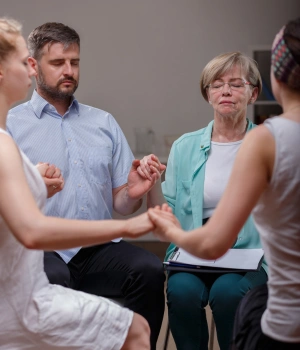

Alcoholics Anonymous Meetings in Mendocino County
AA meetings provide free, peer-led recovery support throughout the county. Below are verified meetings; always confirm current schedules at mendocinocoastaa.com.
Day | Time | Meeting Name / Format | Location | City |
|---|---|---|---|---|
Sunday | 9:30 AM | Discussion | Point Arena Dental Clinic, 175 Main St | Point Arena |
Sunday | 10:00 AM | Zombie Apocalypse Men’s Meeting | Pacific Home Group, 32341 N Harbor Dr | Fort Bragg |
Tuesday | 11:00 AM | AA Meeting | Mendocino Coast Hospitality Center, 101 N Franklin St | Fort Bragg |
Saturday | 8:00 PM | Alcoholicos Anónimos (Español) | Pacific Home Group | Fort Bragg |
The Mendocino Coast AA directory lists approximately 35 meetings in Fort Bragg, 8 in Gualala, 3 in Mendocino, and 2 in Point Arena. Additional meetings are available in Ukiah and Willits through Sonoma County and inland district AA intergroups.
AA meetings are peer support – not clinical treatment – but many individuals in recovery combine AA participation with structured programs like IOP.
Narcotics Anonymous Meetings in Mendocino County
NA meetings are also available in Mendocino County communities. Verify current schedules before attending.
Day | Time | Location | City |
|---|---|---|---|
Thursday | 6:00 PM | Mendocino Coast Hospitality Center, 101 N Franklin St | Fort Bragg |
Multiple days | Various | Saint Francis Church, 66 E Commercial St | Willits |
Various | Various | 3320 East Road | Little River |
For a full NA meeting directory covering Mendocino County, visit na-meetings.com.
Areas We Serve in Mendocino County

Because Shanti’s treatment program is entirely virtual, we serve clients in every community across Mendocino County, including:
Ukiah – the county seat (population approximately 16,600), the central hub for health care services and county government
Fort Bragg – the largest coastal community, home to multiple AA and NA meetings and the Mendocino Coast Hospitality Center
Willits – inland community with a BHRS wellness center and local NA meetings
Point Arena – small coastal town with limited in-person services
Laytonville – remote inland community where in-person treatment access is particularly limited
Mendocino – coastal village with minimal local behavioral health resources
Gualala – southern coast community near the Sonoma County border
Mendocino County’s total population is approximately 88,122 people, spread across roughly 3,506.8 square miles – making it the 15th largest county in California by land area.
Approximately 68% of residents live outside city limits in rural areas. The county’s elderly population (65+) is larger than the state average at roughly 25.8%, while children under 18 represent about 20.6% of the population.
These demographics and distances underscore why virtual treatment access matters here. Broadband availability can be inconsistent in remote coastal and inland valley areas, but telephone-based or lower-bandwidth participation options exist.
Our team works with participants to troubleshoot connectivity issues during orientation.
Get Started with Virtual IOP Treatment at Shanti Today
If you’re ready to address alcohol addiction, chemical dependency, or co-occurring mental health conditions from where you are in Mendocino County, the first step is a confidential assessment with our clinical team.
Contact Shanti Recovery & Wellness to verify your insurance, discuss your situation, and determine whether virtual IOP is the right level of care for you. There is no obligation and no cost for the initial consultation.
Up To 100% of Rehab Costs Covered By Insurance
Up To 100% of Rehab Costs Covered By Insurance
Frequently Asked Questions
What technology do I need for virtual IOP in Mendocino County?
You need a device with a working camera and microphone (smartphone, tablet, or computer), a reliable internet connection that supports video, and a private space where you can participate without interruption. Shanti provides a technology orientation session before treatment begins. For clients in areas with limited broadband – common in parts of inland and coastal Mendocino County – telephone participation or mobile hotspot solutions may be available as alternatives.
Does insurance cover virtual addiction treatment for Mendocino County residents?
Many California insurance plans cover virtual IOP. Shanti is certified by the California State Department of Health Care Services, which means Medi-Cal and many private insurance plans may cover services. Insurance coverage for rehab varies by policy and provider, so we verify your specific benefits during intake – before treatment starts – so you know exactly what your cost and coverage look like. Self-pay and sliding fee scale options may be discussed during this process.
Can I participate in virtual IOP while working in Mendocino County?
Yes. Shanti’s virtual IOP is designed with scheduling flexibility to accommodate work, school, and caregiving obligations. Virtual IOP meets 3 days per week for 3 hours each day, with individual counseling sessions scheduled outside those group hours. Many participants maintain employment and family responsibilities throughout treatment – that’s one of the core advantages of outpatient treatment versus residential programs.
What if I need medical detox before starting virtual IOP?
If you have physical dependence on alcohol or other substances that creates withdrawal risk, you will typically need medically supervised detox and stabilization before entering virtual IOP. Virtual IOP is suitable for those not needing inpatient care. Shanti’s assessment process identifies whether detox is needed, and our team can help coordinate referral services to in-county or out-of-county inpatient or residential treatment facilities. Alcohol withdrawal can pose health risks and may require medical detoxification – this should never be attempted without medical supervision.
How does virtual treatment compare to in-person rehab programs?
Virtual IOP, when delivered by licensed clinicians using evidence-based approaches, can be effective for many individuals with alcohol use disorder and substance use disorders. Advantages include greater access (especially in a rural setting like Mendocino County), lower cost, scheduling flexibility, and the ability to practice recovery skills in your actual daily environment.
Limitations include the lack of 24-hour supervision found in residential treatment, the need for a stable and safe home environment, reliable technology, and the requirement that clients be medically stable. Virtual IOP is not a substitute for medical detox, crisis intervention, or residential treatment when those levels of care are clinically indicated. Follow up care, including ongoing counseling and community support through groups like AA or NA, is an important part of sustaining long-term recovery regardless of the treatment format.