Alcohol consumption poses a significant risk factor for falls due to its effects on coordination, balance, and reaction time. Even moderate drinking can impair these abilities, making individuals more susceptible to stumbling and losing balance.
Never drinkers, former drinkers, and current drinkers each have different risk profiles, with current drinkers, especially those who consume alcohol regularly, facing higher risks of fall incidents. This impairment is exacerbated in older adults, whose age-related changes in balance and muscle strength are worsened by alcohol.
By understanding these risks and adopting preventive measures, Shanti Recovery is here to help you mitigate the dangers associated with alcohol-related falls and enhance your overall safety and well-being.
The Physical Effects of Alcohol Consumption
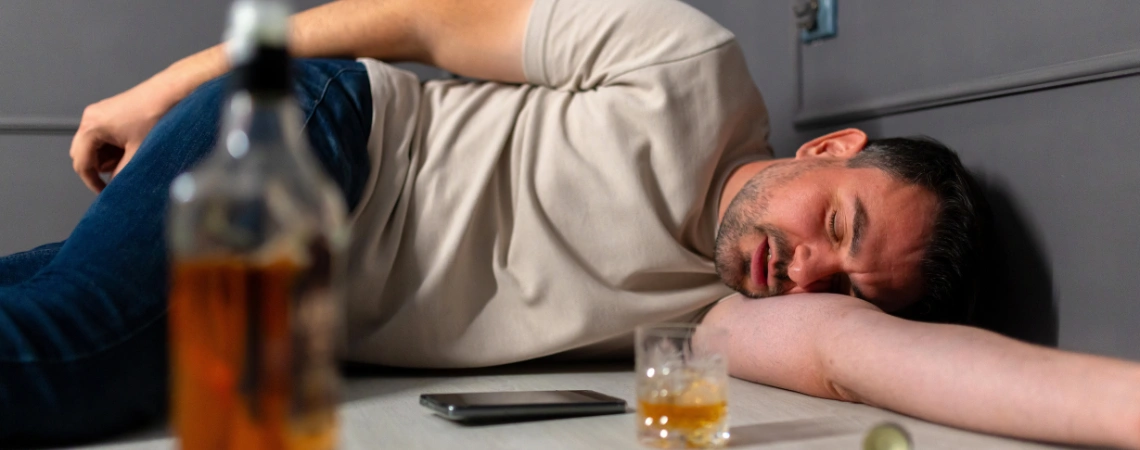
Alcohol slows down reaction times, relaxes muscles, and impairs judgment, all of which contribute to an increased likelihood of falls. The number of drinks consumed per week, particularly exceeding health guidelines such as 7 or more drinks per week, can significantly increase the likelihood of a fall incident.
The mechanism by which alcohol can lead to falls involves its impact on the central nervous system, resulting in impaired gait and balance, which heightens fall risk. Hazardous environments and pre-existing health conditions further compound these risks.
Dangers of Drinking Alcohol in The Older Age Group
The consequences of falls stemming from alcohol use can be severe, especially in older adults. These specific types of injury include: head injury, fractures, and internal injuries, as well as a loss of independence.
Certain types of alcoholic beverages, such as wine, beer, and spirits, may have different effects on fall risk, and beverage-specific analysis is important. Seniors are particularly vulnerable to these injuries and the resulting loss of independence. Fear of falling can also impact mental health, leading to anxiety and social isolation.
Steps to Take to Avoid Fall Injuries from Alcohol
Prevention strategies include moderating alcohol intake, ensuring safe environments with good lighting and clear pathways, and engaging in regular exercise to improve balance and muscle strength. Assessing usual alcohol consumption patterns is important to tailor prevention efforts effectively.
There is also variation in fall risk based on demographic characteristics and the type of alcohol consumed. Educational efforts to raise awareness about the risks of combining alcohol with activities requiring coordination are crucial for promoting safer behaviors.
What is the Relative Risk of Falls From Alcohol?

Are you aware that falls represent a major public health concern that could affect you or your loved ones, particularly as you age? The reality is that fall-related injuries lead to approximately 36,000 deaths each year in the United States, but the good news is that understanding these risks empowers you to take action.
As you or your family members get older, you’ll find that the risk of experiencing a fall naturally increases, and here’s something important you should know: alcohol use becomes a significant contributing factor that can make you even more vulnerable to both fatal and nonfatal falls.
The American College of Emergency Physicians wants you to understand that older adults who consume alcohol face a heightened risk of fall-related injuries, which can have serious health consequences for you and your family. That’s why learning about the relationship between alcohol use and falls is so essential – it gives you the knowledge you need to develop effective strategies that will protect your health and safety as you navigate the aging process.
Alcohol Dose Response Relationship and Fall Risk
If you’re concerned about alcohol use and fall risk, there’s good news: a growing body of research offers clear guidance to help you understand and address this important safety issue.
Studies, including those published by the American College of Emergency Physicians, show that you can significantly reduce your risk of fall-related injuries by understanding how alcohol affects your body.
Monitoring Self-Reported Alcohol Consumption
What the research reveals might surprise you: daily alcohol users face a 150% higher risk of serious head injuries from falls compared to those who don’t drink, while even occasional drinkers deal with double the risk.
The encouraging news is that this relationship gives you real power to protect yourself and your loved ones. When you reduce alcohol intake, you’re taking a meaningful step toward preventing falls and the serious injuries that can come with them.
Understanding the Risks: How Does Alcohol Increase the Likelihood of Falling?

Understanding how alcohol affects your risk of falls can be eye-opening, especially as it impacts so many aspects of your physical and mental well-being. The good news is that recognizing these connections empowers you to make informed choices about your health.
As you age, have you noticed that alcohol seems to affect you differently than it used to? This isn’t just your imagination: changes in your body composition and slower metabolism make you more susceptible to alcohol’s effects as the years go by.
When you drink, alcohol doesn’t just impair your balance; it also slows your reaction times and diminishes your cognitive abilities, making it harder for you to navigate your everyday environments safely.
Health Statistics Related to Alcohol Consumption
What’s more concerning, the findings suggest, is that if you’re already managing health conditions like diabetes, alcohol can worsen these existing issues, further increasing your risk of taking a dangerous fall.
The mechanisms behind these effects are complex. Think of it as alcohol creating a perfect storm by directly impacting your brain and muscles while also interfering with other health challenges you may be facing.
When you understand how alcohol use undermines your balance, cognition, and physical performance, you’ll recognize why you and other older adults are particularly vulnerable to fall-related injuries, and that knowledge can be the first step toward keeping yourself safer.
Prevention Strategies: Reducing Fall Risk Associated with Alcohol Use
What can you do to effectively reduce the risk of falls when alcohol is part of the picture? The good news is that there are proven prevention strategies that can make a real difference for you and your loved ones.
Here’s what you can expect: healthcare providers play a crucial role in supporting you by evaluating alcohol consumption among older adults and offering guidance on safe drinking limits that work for your situation.
While established fall prevention programs like the CDC’s STEADI initiative and the American Geriatrics Society Clinical Practice Guidelines already provide valuable recommendations you can trust, there’s exciting potential for even greater emphasis on the role of alcohol use in fall risk.
Plus, public health campaigns are focusing on raising awareness about the dangers of acute alcohol consumption and alcohol-related falls, encouraging you to take proactive steps to control your alcohol consumption.
The best part? By integrating alcohol use assessment into routine health evaluations and promoting education, your community can help protect you and other older adults from preventable injuries that no one should have to face.
The Increased Risk of Falls Among Alcohol Users

When you’re walking alongside older adults in your care, you’ll find that alcohol use stands out as one of the most significant factors that can lead to falls – and there’s real hope in understanding this connection.
The relationship between drinking and falling isn’t just a coincidence; there’s a clear pattern where higher alcohol consumption directly increases the chances of falls and the injuries that follow, especially where there’s a binge drinking prevalence.
What gives us hope is that by understanding how alcohol affects balance, thinking, and overall physical well-being, you can develop meaningful ways to help prevent these falls from happening in the first place.